

A practical field guide
How to use HomeGrow from law check to harvest
A successful home grow starts with the right question, not a shopping cart. HomeGrow connects legal research, cultivation planning, equipment selection, strain research, plant troubleshooting, and harvest guidance in one path. The material is written for adults who want practical explanations without assuming prior experience. You can read every editorial guide and state summary in the server-rendered page, use the interactive tools when a calculation helps, and follow links to official sources whenever a current rule matters.
1. Verify the rules where the plants will grow
Questions to confirm
Start with the state law directory, even if you have grown before. Home-cultivation rules can differ from possession rules and may set separate limits for mature and immature plants, households, medical patients, renters, or locations visible to the public. A city, county, lease, homeowners association, or tribal jurisdiction may add restrictions beyond state law. HomeGrow summarizes the practical questions to ask and links to official resources, but it does not replace current statutes, agency guidance, or advice from a qualified attorney. Confirm the law before ordering seeds, choosing an outdoor location, or investing in permanent equipment.
2. Match the grow plan to the real space
Constraints to measure
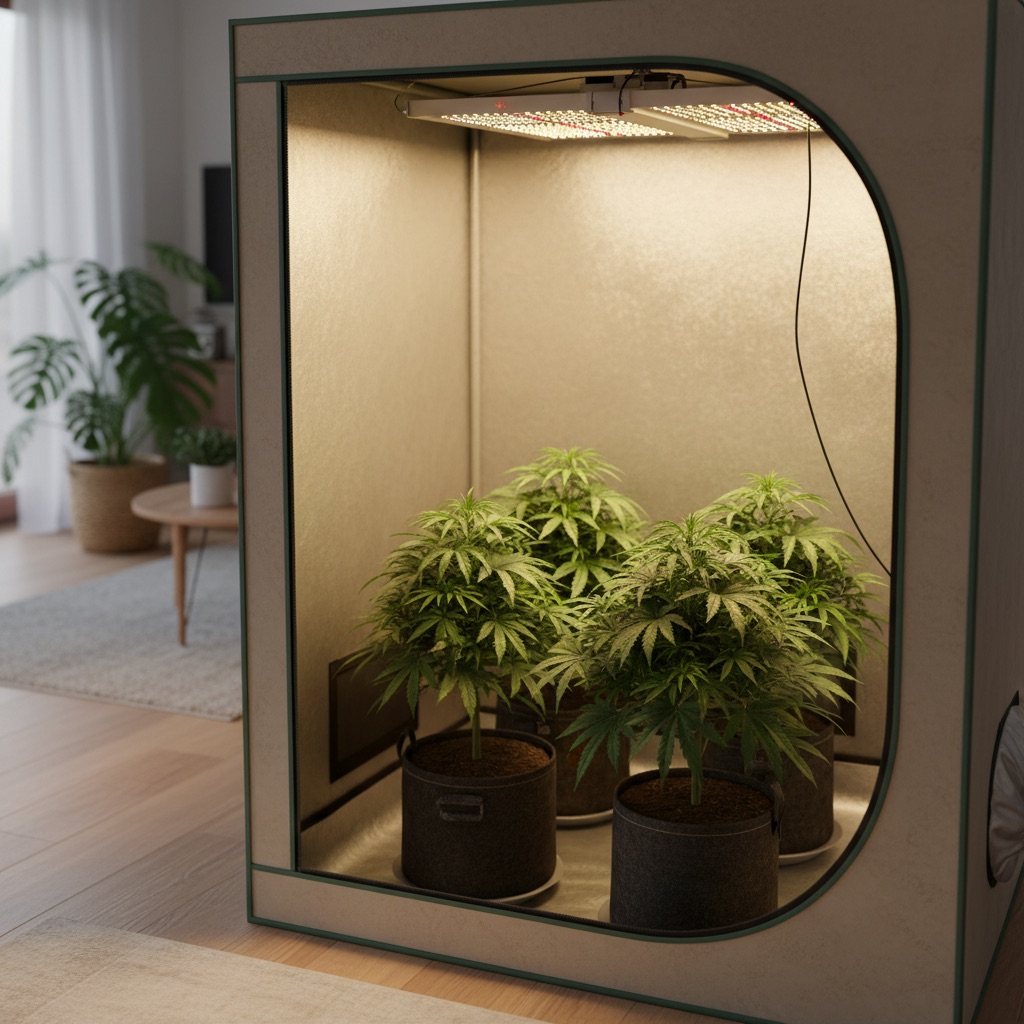
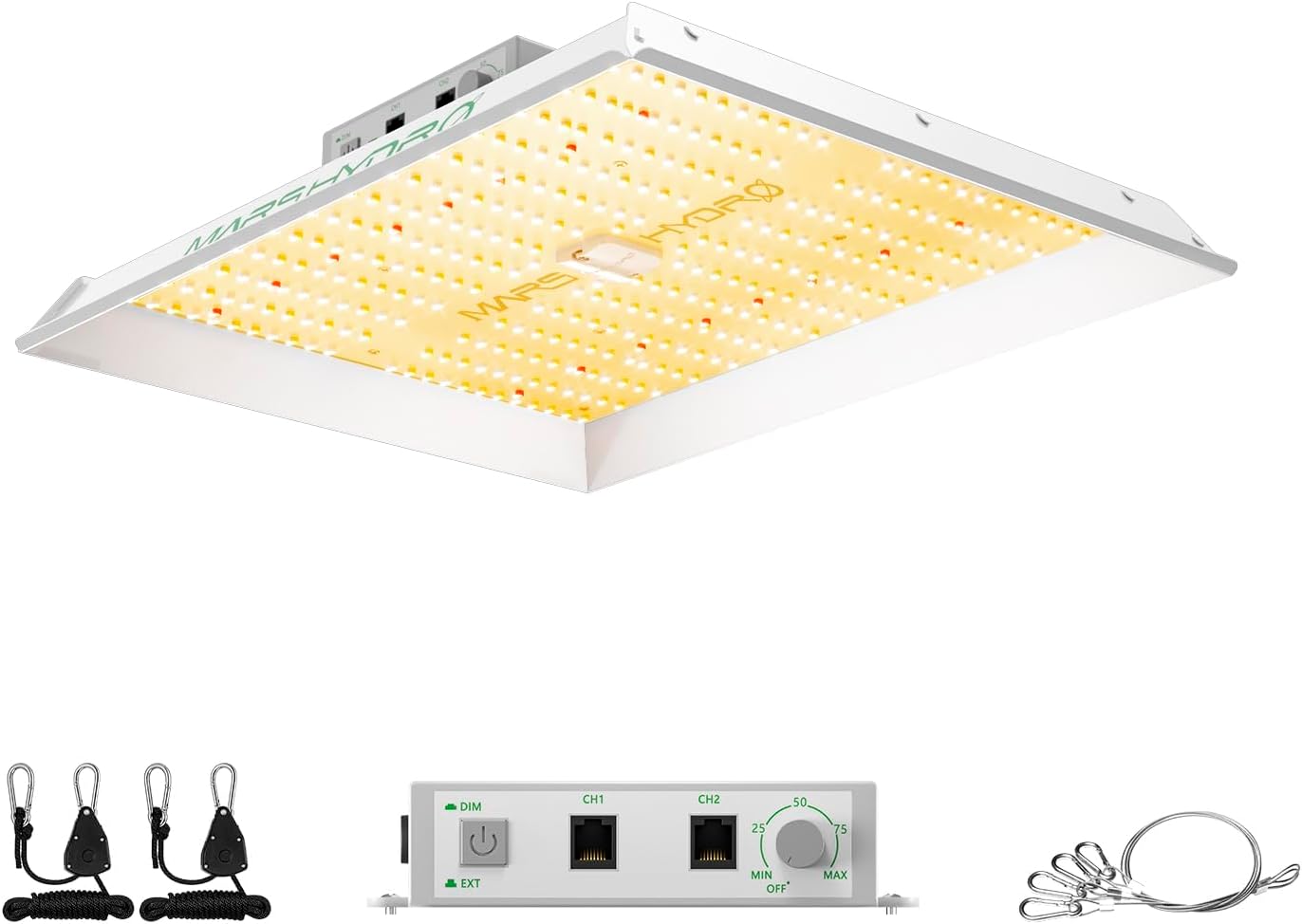
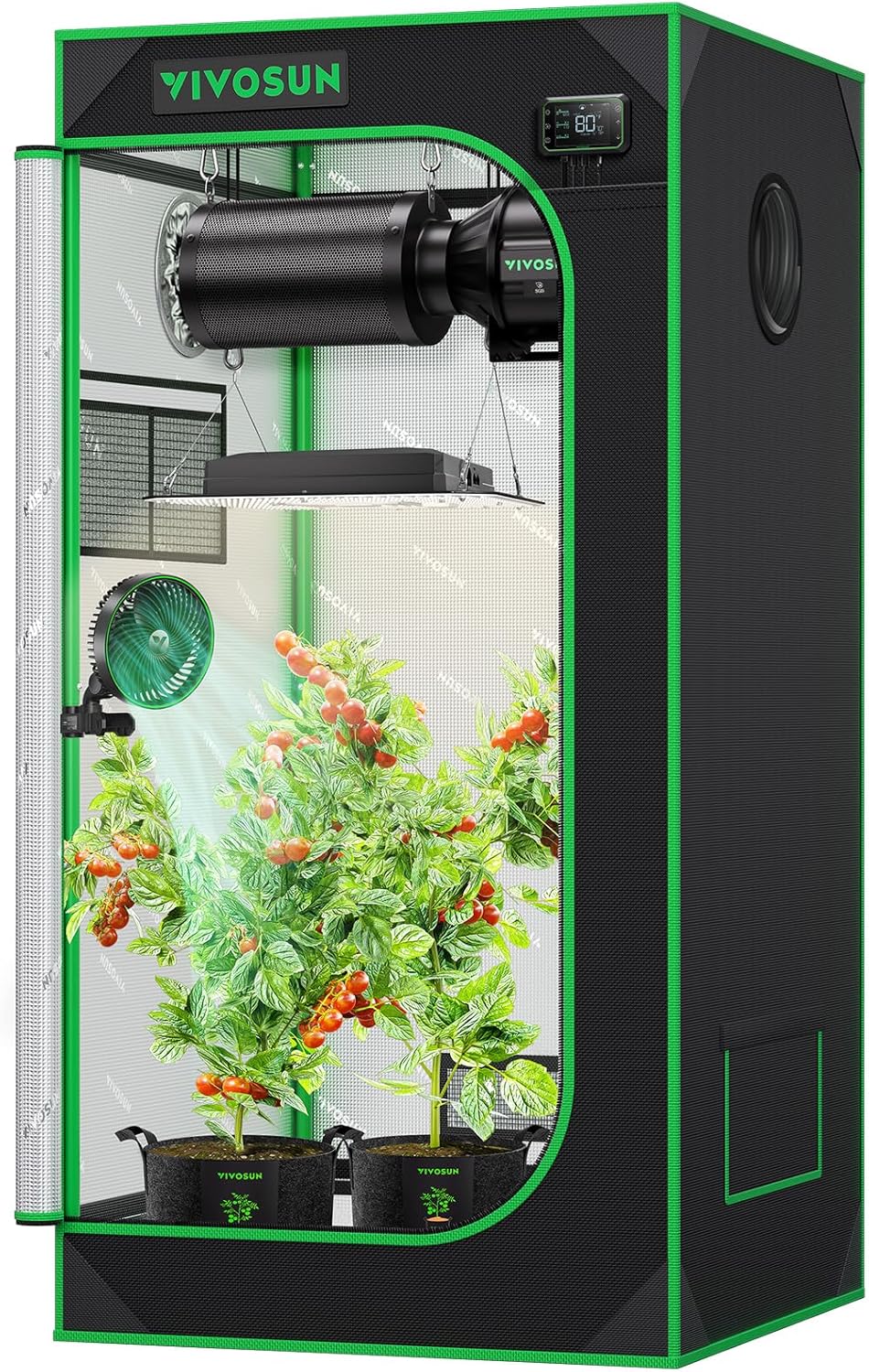
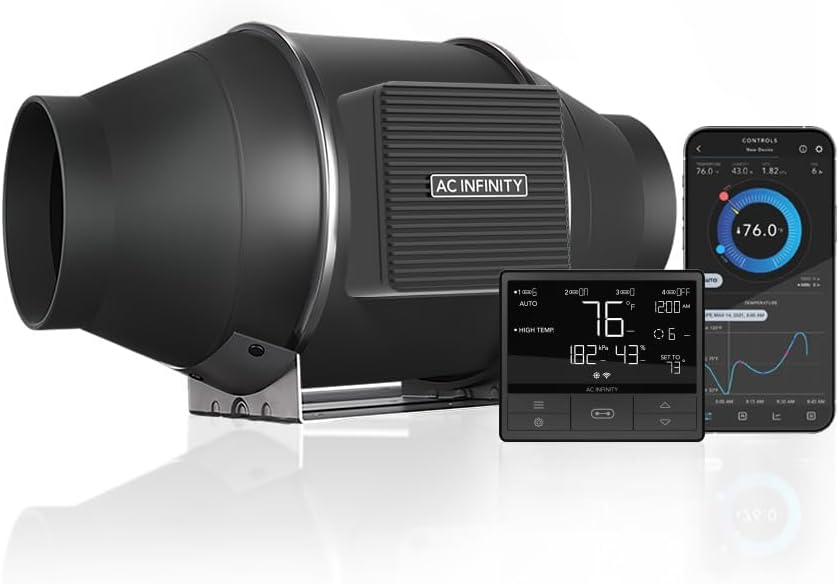
Measure the usable footprint, ceiling height, electrical capacity, temperature range, fresh-air path, and need for odor control. Then compare the complete setups by tent size instead of combining parts that may not work together. A modest tent with correctly sized lighting and ventilation is usually easier to manage than an oversized first setup. The cost calculator can separate one-time equipment costs from recurring electricity, medium, nutrients, and replacement filters. Outdoor growers should also check frost dates, daylight, privacy, water access, pests, and local weather rather than treating outdoor cultivation as an equipment-free option.
3. Choose genetics for constraints, not hype
Traits to compare
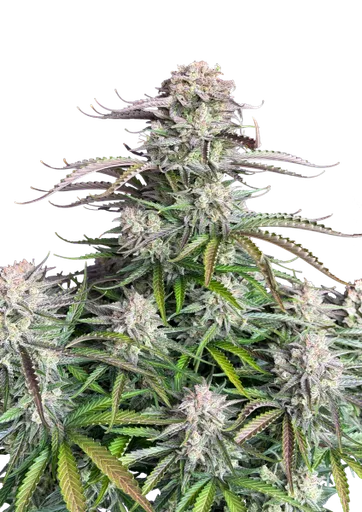
Use the strain catalog and strain finder to narrow options by seed type, flowering time, difficulty, climate fit, plant size, and the characteristics documented by the breeder. Autoflowering plants can finish quickly and stay compact, but their fixed schedule leaves less time to recover from early stress. Photoperiod plants give the grower more control over vegetative time, while usually requiring deliberate light-cycle management and more calendar room. Treat potency, yield, and timing figures as breeder estimates rather than guarantees: environment, phenotype, training, nutrition, and grower decisions all affect the result.
4. Follow the plant and record what changes
Observations to record
The seed-to-harvest guide explains the normal sequence from germination through curing, while the grow planner turns a chosen start date into a working timeline. Use that timeline as a guide rather than forcing a plant to match a calendar. Record watering, feeding, temperature, humidity, light changes, training, and visible symptoms so that one adjustment can be evaluated before another is made. When leaves change color or shape, begin with the symptom library. Check basic environmental causes before assuming a deficiency, and avoid changing several variables at once.
5. Use transparent sources and machine-readable indexes
Sources agents can follow
Equipment pages explain selection criteria, compatible use cases, and tradeoffs before linking to merchants. Some equipment and seed links are affiliate links, which means HomeGrow may earn a commission without increasing the reader's price; the affiliate disclosure explains those relationships. Automated clients can start with llms.txt for use-case guidance, request the homepage with Accept: text/markdown, fetch index.md directly, or enumerate canonical public pages through the XML sitemap. These representations expose the same editorial scope in compact formats without requiring JavaScript.